A well-organized kitchen is more than just visually appealing; it directly affects how quickly and comfortably you can prepare meals. Professional chefs rely on designated kitchen work zones because they reduce unnecessary movement, improve efficiency, and make cooking less stressful. Home cooks can benefit from the same strategy, regardless of kitchen size.
Whether you're preparing a quick breakfast, cooking dinner for your family, or cleaning up afterward, thoughtful zoning saves time and minimizes frustration.
If you're looking to upgrade your cooking experience, pairing smart kitchen organization with quality kitchen tools creates a workspace that is efficient, enjoyable, and easy to maintain.
Key Takeaways
• Divide your kitchen into dedicated work zones based on tasks rather than cabinet locations.
• Keep frequently used kitchen tools within easy reach.
• Store similar items together for quicker access.
• Position prep, cooking, and cleanup areas in a logical workflow.
• Reduce unnecessary walking by organizing according to daily habits.
• Use organizers, drawer dividers, and storage containers to maximize space.
• Regularly declutter each zone to maintain efficiency.
• Invest in versatile kitchen gadgets that support multiple cooking tasks.
How to Set Up Kitchen Work Zones for Increased Efficiency
1. Create a Dedicated Food Preparation Zone
The food preparation area is where most meals begin, so it should be one of the most organized kitchen work zones in your home. Ideally, it should include enough countertop space for cutting boards, knives, measuring tools, mixing bowls, peelers, graters, and frequently used ingredients such as cooking oils and spices.
Good kitchen organization keeps everything needed for prep within easy reach and reduces repeated movement across the room. Drawer dividers for knives, utensils, and other food prep tools also help maintain order while making the space safer to use.
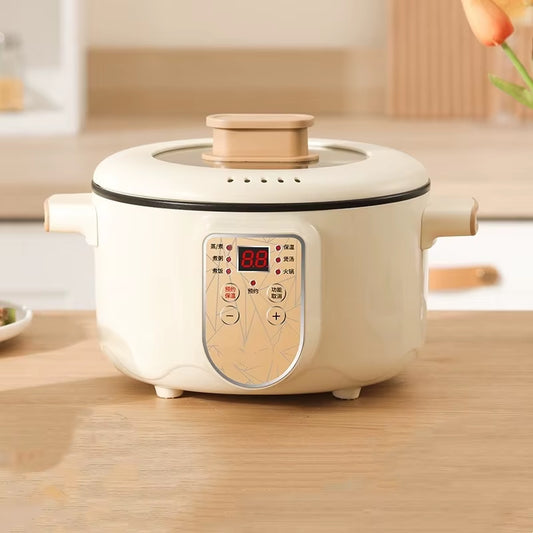
If counter space is limited, choose compact or multifunctional kitchen gadgets that can handle several tasks without taking up too much room.
2. Organize the Cooking Zone Around the Stove
The cooking area should center around the stovetop and oven. Store pots, pans, utensils, oven mitts, lids, thermometers, and frequently used seasonings nearby so you can reach them quickly while cooking.
Keeping essential cooking equipment close to the stove reduces unnecessary movement, especially when handling hot pans or checking food. Vertical pan racks, utensil holders, and wall-mounted spice storage can also keep this area organized without crowding the countertop.
3. Design an Efficient Cleaning Zone
The cleaning zone works best when everything related to washing and cleanup is stored near the sink or dishwasher.
Keep dish soap, sponges, scrub brushes, drying racks, dishwasher detergent, cleaning cloths, trash bags, and recycling supplies nearby. Pull-out organizers under the sink can make these items easier to access while keeping them out of sight.
A well-planned cleaning area also makes it easier to tidy up while cooking instead of leaving everything until after the meal.
4. Build a Smart Pantry Storage Zone
The pantry should make ingredients easy to find and easy to restock. Group similar items together, such as baking supplies, canned foods, grains, pasta, snacks, breakfast items, spices, and oils.
Clear containers can make it easier to see what you have, while labels help prevent duplicate purchases. This type of kitchen organization also supports more efficient meal planning because you can quickly check what is available before cooking or shopping.
5. Keep Everyday Dishware Together
Store plates, bowls, drinking glasses, mugs, and everyday utensils close to the sink or dishwasher whenever possible. This reduces the distance you need to travel when unloading clean dishes.
Cabinet shelf risers can also make better use of vertical space inside cupboards, giving you more room without adding extra cabinets.
6. Create a Beverage Station
A separate beverage area can keep coffee, tea, mugs, sweeteners, filters, kettles, and other supplies in one place.
If space allows, place your coffee maker, electric kettle, or espresso machine in the same area. This keeps beverage-related items from spreading into other kitchen work zones and makes morning or evening routines more convenient.
7. Store Small Appliances Where You Use Them
Small appliances are most useful when they are stored close to the ingredients or tasks they support.
For example:
• Keep the toaster near bread and spreads.
• Store the blender close to the smoothie ingredients.
• Place the stand mixer near baking supplies.
• Keep the food processor close to your main preparation area.
This simple approach reduces lifting, carrying, and repeated cabinet rearranging.
8. Organize Drawers by Function
Instead of filling drawers according to available space, give each one a clear purpose.
One drawer might hold measuring cups and spoons, another cooking utensils, another food storage supplies, and another knives or smaller food prep tools.
Drawer dividers keep items separated and visible, making it easier to find what you need without searching through clutter.
9. Maximize Vertical Storage
Walls, cabinet doors, and other vertical surfaces can provide valuable storage, especially in smaller kitchens.
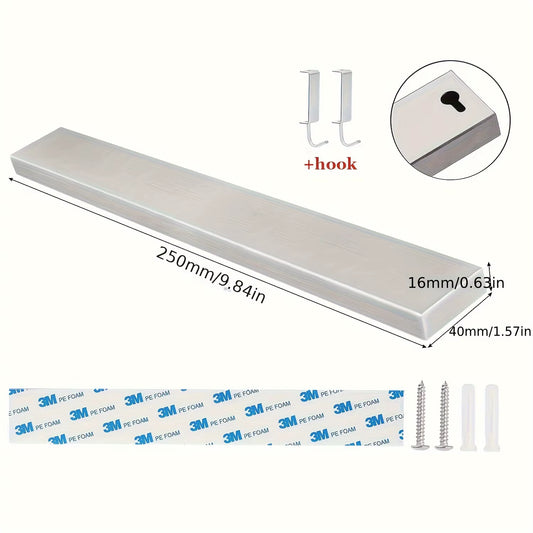
Magnetic knife strips, wall rails, hanging baskets, pegboards, and over-the-door organizers can keep frequently used kitchen gadgets accessible while freeing up countertops and cabinets.
This approach is especially useful in apartments or kitchens with limited built-in storage.
10. Keep Frequently Used Items Easy to Reach
Think about which items you use every day. Chef's knives, cutting boards, measuring cups, spatulas, mixing bowls, oils, and wooden spoons should stay in the easiest-to-reach locations.
Less frequently used cooking equipment, specialty cookware, and seasonal serving pieces can be stored on higher shelves or toward the back of cabinets.
Organizing storage around actual cooking habits makes the kitchen feel more natural and efficient.
11. Maintain a Temporary Landing Zone
Every kitchen benefits from a small flexible area where groceries, meal kits, reusable bags, mail, or ingredients waiting to be unpacked can sit temporarily.
Without a landing area, everyday items often spread across preparation surfaces and interfere with other kitchen work zones. Even a small counter section or rolling cart can help contain temporary clutter.
12. Reevaluate Your Kitchen Layout Regularly
The kitchen needs to change over time. New appliances may be added, cooking habits may shift, and family routines may become different.
Every few months, review which kitchen gadgets you actually use, which cabinets feel overcrowded, and whether certain tools would work better in another location. Small adjustments can improve efficiency without requiring a major renovation.
Wrap Up
Creating practical kitchen work zones does not require rebuilding your kitchen. The goal is to organize the space around how you prepare food, cook, clean, store ingredients, and serve meals.
Thoughtful kitchen organization, well-placed cooking equipment, useful kitchen gadgets, and accessible food prep tools can reduce unnecessary movement and make everyday cooking much easier. When each area supports a specific task, the entire kitchen becomes more efficient, comfortable, and easier to maintain.
Upgrade your kitchen with smart cooking equipment that simplifies prep, cooking, and cleanup. Shop durable essentials and organize your kitchen at The Culinary Closet today!
Frequently Asked Questions
What are kitchen work zones?
Kitchen work zones are dedicated areas designed for specific tasks such as food preparation, cooking, cleaning, food storage, and serving. They improve workflow and reduce unnecessary movement.
How many work zones should a kitchen have?
Most kitchens function well with five primary zones: prep, cooking, cleaning, food storage, and dish storage. Additional beverage or baking zones can be added based on your cooking habits.
Can small kitchens benefit from work zones?
Yes. Small kitchens often benefit the most because efficient zoning maximizes limited space and reduces clutter, making everyday cooking easier.
What kitchen tools are essential for a prep zone?
A prep zone should include quality knives, cutting boards, measuring cups, mixing bowls, peelers, graters, and frequently used utensils stored within easy reach.
How often should I reorganize my kitchen work zones?
Review your kitchen every few months. Remove unused items, relocate frequently used tools if needed, and adjust storage based on your current cooking routine.