A well-organized kitchen does more than look neat. It saves time, protects cookware, and makes everyday cooking less stressful. One of the biggest causes of cabinet clutter is often the hardest category to store: pot lids, food covers, plastic wrap, aluminum foil, parchment paper, and reusable wraps.
These items rarely stack well, so they can make cabinets feel crowded even when there is enough space. A better approach is to treat lids and wraps as their own storage category.
With the right kitchen storage setup and a few practical cooking gadgets, you can keep these items easy to reach without adding more cabinets.
Key Takeaways
• Store pot lids vertically whenever possible.
• Keep wraps close to your main food prep area.
• Use cabinet doors, drawer dividers, and vertical organizers to make better use of unused space.
• Group similar items together instead of spreading them across several cabinets.
• Remove damaged lids, duplicate covers, and unused storage items regularly.
• Choose organizers that actually fit your cabinet and drawer dimensions.
• Keep the system simple enough for everyone in the household to follow.
How to Store Efficiently While Reducing Cabinet Clutter
1. Store Pot Lids Vertically
Stacking lids may seem convenient, but it quickly becomes frustrating when the one you need is at the bottom. It can also lead to scratches, chips, and unstable piles.
Vertical kitchen storage works better because each lid stands on its own. Adjustable racks, wire organizers, or dedicated lid holders can keep them upright and easy to grab.
This also improves visibility. You can quickly find the right size without moving several lids first.
2. Use Cabinet Doors for Lightweight Lids
The inside of a cabinet door can provide useful storage without taking up shelf space. Lightweight lid racks or adhesive holders work especially well for smaller lids and food covers.
This can significantly reduce cabinet clutter while leaving more room for pots and pans.
Before installing anything, check that the cabinet door still closes properly and that stored lids do not hit the shelves.
3. Create a Dedicated Wrap Station
Plastic wrap, aluminum foil, parchment paper, wax paper, and freezer bags are easier to manage when they stay together.
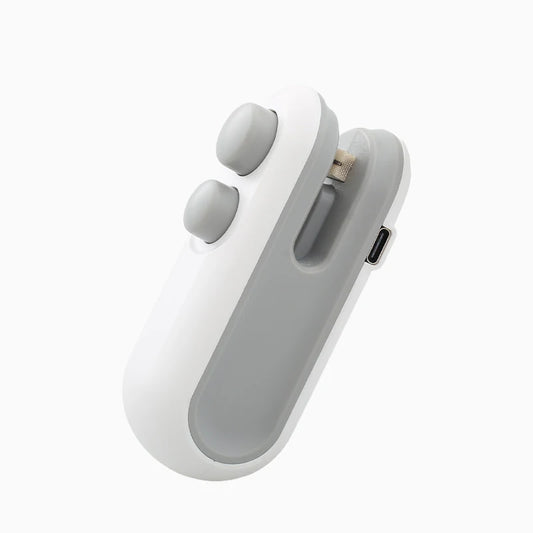
Choose one drawer or narrow cabinet near your food prep area and use it only for wraps and storage bags. Some cooking gadgets, such as wrap dispensers with built-in cutters, can also make these products easier and safer to use.
Keeping everything in one place also makes it easier to see when supplies are running low.
4. Separate Reusable Covers and Bags
Reusable silicone covers, food storage bags, bowl covers, and similar items can quickly become tangled in a deep drawer.
Use drawer dividers or small bins to create separate sections. This keeps different sizes visible and makes them easier to put away after washing.
This simple step improves kitchen organization because each item has a clear place instead of being tossed into one large drawer.
5. Organize Lids by Size
Storing lids according to the cookware set they came with can become confusing, especially after you add replacement lids or new cookware.
Organizing by size is more practical. Keep large lids together, medium lids in another section, and smaller lids in a separate area.
This reduces cabinet clutter and makes it easier to find the right lid while cooking.
6. Use Vertical Organizers for Flat Items
Vertical organizers are useful for more than pot lids. They can also hold cutting boards, splatter screens, baking sheets, silicone mats, and flat food covers.
Instead of stacking these items on top of one another, vertical storage allows each piece to slide in and out independently. This is a simple kitchen organization method that works especially well in small kitchens.
7. Use Bins for Pantry Storage
If wraps, bags, and food covers are stored in the pantry, clear bins can help keep them from getting lost among food items.
Group similar products together and label the containers clearly. This keeps shelves easier to maintain and makes inventory checks faster. Good kitchen storage should make it easy to see what you have without opening several boxes or moving unrelated items.
8. Declutter Regularly
Storage systems work better when they are not filled with items you no longer use.
Check for cracked lids, warped food covers, containers without matching tops, and duplicate pieces. Remove damaged or unnecessary items instead of continuing to store them.
Reducing excess is one of the easiest ways to control cabinet clutter without buying more organizers.
9. Keep Daily Items Within Easy Reach
Frequently used lids, wraps, and food covers should stay between waist and eye level whenever possible.
Less frequently used cookware, specialty lids, and premium kitchenware can be stored on higher shelves or in deeper cabinets.
This setup makes everyday cooking easier because the items you use most are always the easiest to reach.
10. Label Storage Zones
A storage system only works if people know where everything belongs.
Simple labels inside drawers, bins, or cabinets can help everyone follow the same system. Clear categories such as “pot lids,” “wraps,” “reusable bags,” and “food covers” make putting items away much easier.
Consistent labeling supports long-term kitchen organization and helps prevent clutter from returning.
Wrap Up
Reducing cabinet clutter does not require a major kitchen renovation. The most effective approach is to group similar items together, store lids vertically, use overlooked cabinet space, and keep wraps near the area where you actually use them.
Thoughtful kitchen storage, practical cooking gadgets, and a simple organization system can make everyday cooking much easier. When every lid, wrap, and food cover has a designated place, cabinets stay neater, meal prep feels smoother, and your premium kitchenware remains better protected.
Upgrade your kitchen with smart storage gadgets from The Culinary Closet that keep pot lids, food covers, and wraps organized.
Frequently Asked Questions
What is the best way to store pot lids in small kitchens?
Vertical lid organizers are usually the most space-efficient solution because they allow each lid to stand separately while maximizing cabinet space.
Should plastic wrap and aluminum foil be stored together?
Yes. Keeping all food wraps in one dedicated storage area makes meal preparation faster and simplifies inventory management.
How often should kitchen storage be reorganized?
A quick weekly reset combined with a thorough decluttering every three to six months helps maintain an organized kitchen.
Are cabinet door organizers safe for heavy glass lids?
They work best for lightweight or medium-sized lids. Heavy tempered glass lids should be stored in sturdy vertical racks designed to support additional weight.
What kitchen gadgets help reduce cabinet clutter?
Adjustable lid organizers, expandable drawer dividers, wrap dispensers, pantry bins, shelf risers, and modular cabinet organizers are among the most effective solutions for maintaining an organized kitchen.