“Is this enough for lunch tomorrow?”
That simple question can lead to uneven portions, wasted food, and messy storage if you do not have the right tools on hand. With smart kitchen utensils for leftovers and meal prep, portioning becomes more accurate, organized, and stress-free.
The right picks help you separate meals, control servings, and keep food fresh for later.
Instead of eyeballing every scoop, you can prep with confidence and make every stored meal feel planned, practical, and ready when you need it.
Key Takeaways
-
Kitchen utensils help make leftover storage, reheating, and reuse easier.
-
Silicone stretch lids and vacuum sealers help keep leftovers fresh.
-
Collapsible lunch boxes make portioning leftovers simple and space-saving.
-
Tongs, choppers, and cutting boards make serving and reusing food cleaner.
-
Digital scales and measuring spoons improve portion accuracy.
-
Vegetable choppers, mandoline slicers, and spiralizers speed up meal prep.
-
Oil sprayers and batter dispensers help create more consistent servings.
- Good tools support better kitchen organization and reduce food waste.
Kitchen Utensils for Leftover Meal
1. Silicone Stretch Lids for Covering Leftovers
Silicone stretch lids are useful for covering bowls, cups, cans, and containers without needing a disposable wrap. They help keep leftover food fresh in the fridge and make short-term storage easier.
Use them for leftover pasta, soup, cut fruit, sauces, dips, and side dishes. They are especially helpful when you do not want to transfer food into another container. As simple kitchen gadgets, they reduce waste and keep your fridge more organized.
2. Collapsible Lunch Boxes for Storing Leftover Portions
Collapsible lunch boxes are ideal for packing leftovers into ready-to-eat portions. They help you divide leftover dinner into lunch portions for work, school, or travel.
Because they collapse when empty, they are also a practical choice for smaller kitchens where storage space matters. They are useful food prep tools for anyone who wants portioned meals without filling cabinets with bulky containers.
3. Vacuum Sealer for Freezing Leftover Meals
A vacuum sealer helps extend the life of leftover food by sealing portions tightly for fridge or freezer storage. It is especially useful for cooked meats, vegetables, rice, sauces, and freezer-friendly meals.
This tool makes it easier to save extra food in single-serve portions, helping reduce waste and making future meals faster. Among modern kitchen gadgets, a vacuum sealer is especially helpful for families, batch cooking, and freezer meal planning.
4. Mason Jar Vacuum Sealer for Small Leftover Ingredients
Mason jar vacuum sealing is helpful for storing smaller leftover ingredients such as sauces, chopped vegetables, fruit, dry snacks, or salad toppings.
Jars make it easy to see what you have in the fridge or pantry, so you are more likely to use leftovers before they go bad.
5. Electric Heating Lunch Box for Reheating Leftovers
An electric heating lunch box is useful for people who take leftovers to work, school, or on the go. It allows you to warm food in the same container, making packed meals more convenient.
It works well for rice bowls, pasta, soups, stews, cooked vegetables, and casserole portions.
This type of cooking equipment is helpful when you do not have easy access to a microwave.
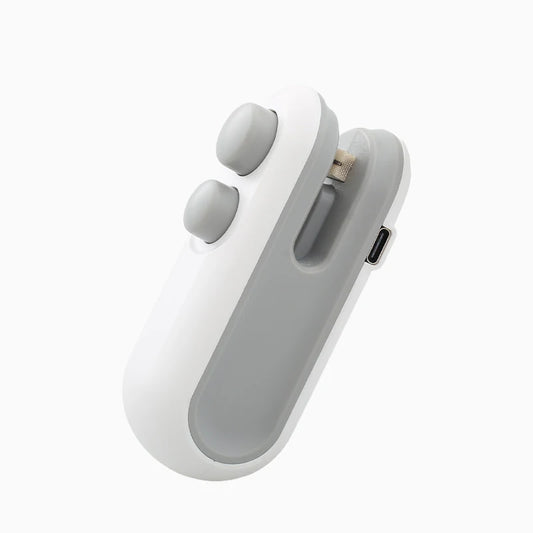
6. Mini Heat Sealer for Resealing Food Bags
A mini heat sealer helps close opened food bags after use. It is useful for leftover snacks, frozen vegetables, grains, dried fruit, and pantry staples.
This tool helps keep food fresher for longer and prevents partially used ingredients from going stale.
7. Manual Chopper for Reusing Leftover Ingredients
A manual chopper can help turn small leftover ingredients into something new. Leftover chicken, vegetables, herbs, onions, or garlic can be chopped and reused in wraps, omelets, fried rice, soups, or sandwich fillings.
This makes leftovers more flexible and helps prevent food boredom during the week. It is also one of the most practical food prep tools for using small amounts of cooked or raw ingredients.
Kitchen Utensils for Meal Prep That Make Portioning Easier
Meal prep works best when food is easy to measure, divide, cook, and store in consistent servings. These kitchen utensils help make portioning more accurate and meal preparation more efficient.
1. Digital Kitchen Scale for Accurate Portions
A digital kitchen scale is one of the best tools for portion control. It helps you measure cooked rice, pasta, vegetables, meat, snacks, and baking ingredients accurately.
This is useful for anyone who tracks serving sizes, meal plans, counts macros, or wants consistent lunch containers throughout the week. It is also useful cooking equipment for baking and recipe accuracy.
2. Measuring Spoons for Sauces and Small Ingredients
Measuring spoons help control smaller ingredients such as oils, spices, dressings, sauces, nut butters, and seasonings.
They help keep every meal-prep container balanced, especially when you want consistent flavor and nutrition across multiple servings. These simple kitchen utensils and food prep tools are especially useful for sauces, marinades, and seasoning blends.
3. Vegetable Chopper for Fast Ingredient Prep
A vegetable chopper saves time by cutting ingredients into even pieces. It is useful for onions, peppers, carrots, cucumbers, potatoes, salad toppings, and soup vegetables.
Evenly chopped ingredients cook more consistently and divide more neatly into meal-prep containers.
4. Cutting Board for Batch Preparation
A cutting board is essential for preparing ingredients before portioning. It provides a stable surface for slicing vegetables, fruit, cooked protein, sandwiches, wraps, and snacks.
It also helps you break large batches into smaller, ready-to-store servings. A good cutting board supports safe prep work and better kitchen organization when used with separate areas for raw and ready-to-eat foods.
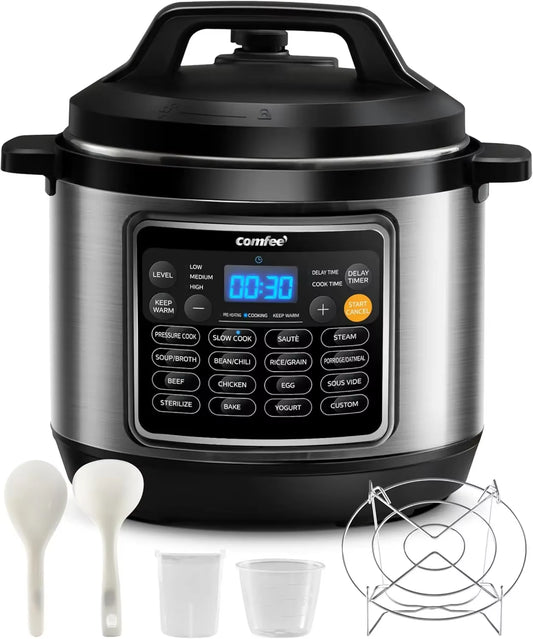
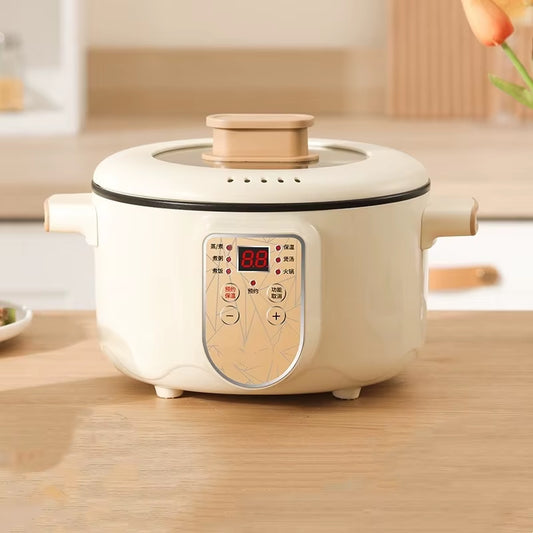
5. Mini Rice Cooker for Small-Batch Meal Prep
A mini rice cooker is useful for preparing controlled portions of rice, grains, steamed vegetables, and simple meals. It is especially helpful for meal prep for one or two people.
It can also refresh leftovers by pairing them with fresh rice or steamed sides.
6. Mandoline Slicer For Even Slices
A mandoline slicer helps create thin, even slices of vegetables and fruits. It is useful for cucumbers, potatoes, carrots, zucchini, onions, and salad ingredients.
Consistent slicing cooks evenly and makes meals look more organized in meal-prep containers.
Conclusion
Leftovers and meal prep become much easier when the right kitchen utensils are within reach. Instead of guessing portions, wasting extra food, or struggling with messy storage, simple tools can help you prep, divide, store, and reheat meals with more confidence.
Items like silicone lids, lunch boxes, vacuum sealers, choppers, measuring spoons, and digital scales all support a cleaner and more organized kitchen routine.
The goal is not to buy every tool at once. Start with the ones that solve your biggest daily problem, whether that is keeping food fresh, packing lunches faster, or making portions more consistent. With the right setup, leftovers feel less like extra food and more like ready-made meals for the days ahead.
For practical, reliable meal-prep tools, explore The Culinary Closet today.
FAQs
What are the most useful kitchen utensils for meal prep beginners?
The most useful kitchen utensils for beginners are measuring cups, measuring spoons, tongs, a ladle, silicone spatulas, serving spoons, and portion-control containers. These tools cover most basic prep and storage needs without complicating the process.
Are portion-control containers worth buying?
Yes, portion-control containers are worth buying if you regularly pack lunches, prep meals ahead, or want more balanced servings. Divided containers are especially helpful because they keep proteins, grains, vegetables, and sauces separate.
Do I need a kitchen scale for meal prep?
A kitchen scale is not required, but it is useful if you want more accurate portions. It is especially helpful for proteins, grains, snacks, and freezer meals. For casual meal prep, measuring cups and scoops may be enough.
What kitchen gadgets should I avoid for meal prep?
Avoid kitchen gadgets that only do one small task and take up too much space. Tools that are hard to clean or rarely used can create clutter. Choose practical items that support daily cooking, portioning, and storage.
How can I organize meal prep tools in a small kitchen?
Use drawer dividers, stackable bowls, nesting containers, and locking tongs to save space. Keep your most-used food prep tools close to your prep area and store seasonal or rarely used tools higher up or farther away.
What containers are best for leftovers?
Clear, airtight, leak-resistant containers are best for leftovers. Glass containers are durable and good for reheating, while lightweight plastic containers are convenient for packing meals. Freezer-safe bags are useful for soups, sauces, and bulk prep.
How do I stop leftovers from getting soggy?
Store sauces separately, use divided containers, and let hot food cool slightly before sealing. For crispy foods, avoid storing them with wet ingredients. Reheat items such as roasted vegetables or breaded foods in an oven or an air fryer when possible.
What cooking equipment helps with faster weekly meal prep?
Helpful cooking equipment includes sharp knives, cutting boards, mixing bowls, sheet pans, pots, pans, and storage containers. These basics make chopping, cooking, cooling, and portioning much easier.